skip to content : skip to contact information
  MIT  


past spotlights

request a spotlight
propose a graphic
about this site
philosophy
credits
the gallery
past spotlights


The MIT spotlights answer the question, "What interesting and wonderful things are happening at MIT?" The spotlight images and headlines change frequently in order to integrate and showcase a multitude of aspects of MIT.

We provide the history of links for reference, but note that some of these pages have changed since they were in the spotlight. We also have a small gallery of MIT homepage images.

Home page spotlights
Education spotlights
Research spotlights

About MIT spotlights
Offices+services spotlights
Community spotlights


October 2008
MIT zooms in on malaria-infected cells - In work that could lead to new ways of detecting and treating malaria, MIT researchers have used two advanced microscopy techniques to show in unprecedented detail how the malaria parasite attacks red blood cells.

MIT tests self-propelled cage for fish farming - A self-propelling underwater cage developed and recently tested by an MIT researcher could not only cut costs for offshore ocean-based fish farms but also aid the movement of such operations into the high seas, avoiding the user conflicts and compromised water quality of coastal zones.

MIT tool aims to cut airline delays - MIT researchers are working toward a computer tool that could reduce airline flight delays due to weather. Already, they have found that a prototype deployed in the New York City region cut delays last year by 2,300 hours, saving the equivalent of some $7.5 million in operating costs.

New virtual telescope zooms in on Milky Way's super-massive black hole - An international team, led by astronomers at the MIT Haystack Observatory, has obtained the closest views ever of what is believed to be a super-massive black hole at the center of the Milky Way galaxy.

MIT probe could aid quantum computing - MIT researchers may have found a way to overcome a key barrier to the advent of super-fast quantum computers, which could be powerful tools for applications such as code breaking.

MIT researchers find memory capacity much bigger than previously thought - In recent years, demonstrations of memory's failures have convinced many scientists that human memory does not store the details of our experiences. However, a new study from MIT cognitive neuroscientists may overturn this widespread belief.

MIT solves 100-year-old engineering problem - As a car accelerates up and down a hill then slows to follow a hairpin turn, the airflow around it cannot keep up and detaches from the vehicle. This aerodynamic separation creates additional drag that slows the car and forces the engine to work harder.

September 2008
MIT engineers work toward cell-sized batteries - Forget 9-volts, AAs, AAAs or D batteries: The energy for tomorrow's miniature electronic devices could come from tiny microbatteries about half the size of a human cell and built with viruses. MIT engineers have developed a way to at once create and install such microbatteries by stamping them onto a variety of surfaces.

Amid food price spike, Nobel laureate eyes fertilizer - One of the reasons food prices have risen sharply is the cost of fertilizer: Nearly 2 percent of the world's energy goes into fertilizer production, which is becoming ever more costly as fuel prices rise. For decades, chemists have sought less energy-intensive ways to produce ammonia, the main component of fertilizer.

Understanding climate change complacency - Why is the general public not more concerned about the potential consequences of climate change? For many risks, such as the risk of a plane crash, the public is far more fearful than the evidence shows, observes Professor John Sterman of the MIT Sloan School of Management. But on the issue of climate, he notes, the situation is just the opposite.

MIT zeroes in on Alzheimer's structures - MIT engineers report a new approach to identifying protein structures key to Alzheimer's disease, an important step toward the development of new drugs that could prevent such structures from forming.

Beyond jewelry: Engineering new uses for gold - The glitter of gold may hold more than just beauty, or so says a team of MIT researchers that is working on ways to use tiny gold rods to fight cancer, deliver drugs and more.

MIT model helps computers sort data more like humans - Humans have a natural tendency to find order in sets of information, a skill that has proven difficult to replicate in computers. Faced with a large set of data, computers don't know where to begin -- unless they're programmed to look for a specific structure, such as a hierarchy, linear order, or a set of clusters.

Saving lives through smarter hurricane evacuations. - Hundreds of lives and hundreds of millions of dollars could potentially be saved if emergency managers could make better and more timely critical decisions when faced with an approaching hurricane. Now, MIT graduate student Michael Metzger has developed a new computer model that could help do just that.


May 2008
Microbial Evolution - Microbes, the oldest and most numerous creatures on Earth, have a rich genomic history that offers clues to changes in the environment that have occurred over hundreds of millions of years. While scientists are becoming increasingly aware of the many important environmental roles played by microbes living today, they still know little about these tiny critters.

Stem Cells & Parkinson's - A team including MIT researchers has demonstrated for the first time that artificially created stem cells can be used to treat symptoms of Parkinson's disease in rats. The work, reported in the Proceedings of the National Academy of Sciences, could lead to successful treatments for human patients of Parkinson's, the degenerative neurological disorder.

E-Zpass Tolls - Eighteen months of road trips between Boston and New York inspired MIT economist Amy Finkelstein to study the hidden cost of E-ZPass, the popular electronic toll system. What she unearthed is that the handy E-ZPass program hides tax hikes in plain sight--right on the windshield transponder that's electronically "read" in E-Z lanes throughout 12 states.

Daedalus - Twenty years ago, on April 23, 1988, a team of MIT students, faculty and alumni succeeded in a project that set a pair of aviation records that still stand to this day. On that day, a lightweight airplane called Daedalus--completely under human power--flew across the Mediterranean Sea from the Greek island of Crete to just a few meters from the shore of the island of Santorini.

Predictably Irrational - It's been a long road from being engulfed in flames in an explosion in Israel to leaving dollar bills in dorm refrigerators at MIT. But in an odd way, it's all connected. Unexpected and surprising connections are at the heart of the fascinating research conducted by Dan Ariely, who holds joint appointments in MIT's Media Lab and Sloan School of Management.

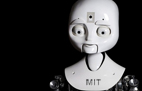
Nexi - A new experimental robot from the MIT Media Lab can slant its eyebrows in anger, or raise them in surprise, and show a wide assortment of facial expressions to communicate with people in human- centric terms. Called Nexi, it is aimed at a range of applications for personal robots and human-robot teamwork.

Genetic Therapy - A team of researchers from MIT and Alnylam Pharmaceuticals has developed safe and effective methods to perform RNA interference, a therapy that holds great promise for treating a variety of diseases including cancer and hepatitis. Scientists see RNA interference (RNAi) as a way to turn off specific disease-causing genes.

Mapping Moisture - An MIT scientist will lead the science team designing a NASA satellite mission to collect global soil moisture measurements key to improving weather, flood and drought forecasts and predictions of agricultural productivity and climate change. At present, scientists have no network for gathering soil moisture data as they do for rainfall, winds, humidity and temperature.

Americans' Carbon Footprints - An MIT class has estimated the carbon emissions of Americans in a wide variety of lifestyles--from the homeless to multimillionaires--and compared them to those of other nations. The bottom line is that in the United States, even the people with the lowest usage of energy are still producing, on average, more than double the global per-capita average.

Cell Division - Proteins that control cell division play a far more nuanced role than researchers previously thought in the process that gives rise to reproductive cells, according to new findings by MIT biologists. The work, reported in the April 18 issue of Cell, could help scientists understand why errors occur so often during this process, known as meiosis.

Lab on a Chip - An MIT team has improved upon its landmark technology reported last year in which the researchers used a fingernail-sized lab on a chip to image, perform surgery on and sort tiny worms to study nerve regeneration. The team has found a unique way to immobilize the animals while they are still awake for several minutes with unprecedented stability.

Listening for Hurricanes - Knowing how powerful a hurricane is, before it hits land, can help to save lives or to avoid the enormous costs of an unnecessary evacuation. Some MIT researchers think there may be a better, cheaper way of getting that crucial information. So far, there's only one surefire way of measuring the strength of a hurricane: Sending airplanes right into the eye of the storm.

Eco-Friendly City - Abu Dhabi is a tiny nation with huge reserves of oil and, as a result, a lot of wealth. But this Persian Gulf emirate is taking the long view, planning for a future beyond oil. The most dramatic piece of Abu Dhabi's futuristic planning is its creation of a whole new city from scratch, centered on an institute of technology modeled after, and created in collaboration with, MIT.

Heparin Mystery: Solved - An international team of researchers led by MIT has explained how contaminated batches of the blood-thinner heparin were able to slip past traditional safety screens and kill dozens of patients recently in the United States and Germany. The team, led by Professor Ram Sasisekharan of MIT, identified the chemical structure of the contaminant.

February 2008
aquatic plants - Aquatic plants in rivers and streams may play major roles in the health of ocean coastal waters, according to recent research from MIT's Department of Civil and Environmental Engineering. This work, which appeared in the Journal of Fluid Mechanics, describes the physics of water flow around aquatic plants and demonstrates the importance of basic research to environmental engineering.

brain circuits - Researchers at the Picower Institute for Learning and Memory at MIT reported in the journal Science that they have created a way to see, for the first time, the effect of blocking and unblocking a single neural circuit in a living animal. This revolutionary method allowed the researchers to see how bypassing a major memory-forming circuit in the brain affected learning and memory in mice.

anthrax weakness - MIT and New York University researchers have identified a weakness in the defenses of the anthrax bacterium that could be exploited to produce new antibiotics. The researchers found that nitric oxide (NO) is critical to Bacillus anthracis's defense against the immune response launched by cells infected with the bacterium. Anthrax bacteria that cannot produce NO succumb to the immune system's attack.

computer vision - For years, scientists have been trying to teach computers how to see like humans, and recent research has seemed to show computers making progress in recognizing visual objects. A new MIT study, however, cautions that this apparent success may be misleading because the tests being used are inadvertently stacked in favor of computers.

men & liver cancer - A fundamental difference in the way men and women respond to chronic liver disease at the genetic level helps explain why men are more prone to liver cancer, according to MIT researchers. "This is the first genome-wide study that helps explain why there is such a gender effect in a cancer of a nonreproductive organ, where you wouldn't expect to see one," said MIT's Arlin Rogers.

culture & brain function - People from different cultures use their brains differently to solve the same visual perceptual tasks, MIT researchers report in the first study of its kind. Psychological research has shown that American culture, which values the individual, emphasizes the contextual independence of objects, while East Asian societies emphasize the collective and the contextual interdependence of objects.

tiny sensor - Engineers at MIT are developing a tiny sensor that could be used to detect minute quantities of hazardous gases, including toxic industrial chemicals and chemical warfare agents, much more quickly than current devices. The researchers have taken the common techniques of gas chromatography and mass spectrometry and shrunk them to fit in a device the size of a computer mouse.

the price of oil - As the price of oil doubled over the last year, it may have looked like 1973 all over again to some observers. But research by MIT macroeconomist Olivier Blanchard shows that a return to 1970s-style gas lines and stagflation (the grim mix of inflation and stagnant growth) isn't in the cards.

sickle-cell anemia - MIT researchers have successfully treated mice with sickle-cell anemia in a process that begins by directly reprogramming the mice's own cells to an embryonic-stem-cell-like state, without the use of eggs. This is the first proof-of-principle of therapeutic application in mice of directly reprogrammed induced pluripotent stem (IPS) cells, which recently have been derived in mice as well as humans.

surprises from space - The Voyager 2 spacecraft's Plasma Science instrument, developed at MIT in the 1970s, has turned up surprising revelations about the boundary zone that marks the edge of the sun's influence in space. The unexpected findings emerged as the spacecraft traversed the termination shockwave formed when the the solar wind slams into the surrounding thin gas that fills the space between stars.

heads or tails? - When cut, a planarian flatworm can regenerate a new head, new tail or even entire new organisms from a tiny fragment of its body--a phenomenon that has puzzled researchers for more than 100 years. Now, scientists in the lab of MIT's Peter Reddien have discovered a gene required for proper decisions about head-versus-tail polarity in regenerating flatworms.

mars enigma - Planetary scientists have puzzled for years over an apparent contradiction on Mars. Abundant evidence points to an early warm, wet climate on the red planet, but there's no sign of the widespread carbonate rocks, such as limestone, that should form in such a climate. Now, a detailed analysis by MIT's Maria T. Zuber and colleagues from Harvard University provides a possible answer to the mystery.

earth to aliens - As astronomers become more adept at searching for, and finding, planets orbiting other stars, it's natural to wonder if anybody is looking back. Now, a team of astronomers that includes MIT professor Sara Seager has figured out just what those alien eyes might see using technologies being developed by Earth's astronomers.

engineered blood vessels - MIT scientists have found a way to induce cells to form parallel tube-like structures that could one day serve as tiny engineered blood vessels. The researchers found that they can control the cells' development by growing them on a surface with nano-scale patterning. A paper on the work was posted in a recent online issue of Advanced Materials.

moon mission - MIT will lead a $375-million mission to map the moon's interior and reconstruct its thermal history, NASA has announced. The Gravity Recovery And Interior Laboratory (GRAIL) mission will be led by MIT professor Maria Zuber and will be launched in 2011. It will put two separate satellites into orbit around the moon to precisely map variations in the moon's gravitational pull.

cell sorter - Separating out particular kinds of cells from a sample could become faster, cheaper and easier thanks to a new system developed by MIT researchers that involves levitating the cells with light. The system, which can sort up to 10,000 cells on a conventional glass microscope slide, could enable a variety of biological research projects that might not have been feasible before.

autism and the brain - A missing brain protein may be one of the culprits behind autism and other brain disorders, researchers at MIT's Picower Institute for Learning and Memory report in a Dec. issue of Neuron. The protein helps synapses develop. Synapses--through which neurons communicate with one another--underlie our ability to learn and remember.

oil repellent - MIT engineers have designed a class of material structures that can repel oils, a novel discovery that could have applications in aviation, space travel and hazardous waste cleanup. Such materials could be used to help protect parts of airplanes or rockets that are vulnerable to damage from being soaked in fuel, like rubber gaskets and o-rings.

toward correcting autism - Researchers at MIT's Picower Institute for Learning and Memory have corrected key symptoms of mental retardation and autism in mice. The work, reported in the Dec. 20 issue of Neuron, also indicates that a certain class of drugs could have the same effect. These drugs are not yet approved by the FDA, but will soon be entering into human clinical trials.

sculpting with light - MIT engineers have used ultraviolet light to sculpt three-dimensional microparticles that could have many applications in medical diagnostics and tissue engineering. For example, they could be designed to act as probes to detect certain molecules, such as DNA, or to release drugs or nutrients. The new technique offers unprecedented control over the size, shape and texture of the particles.


June 2007
tracking the flu - Nearly 40 years ago, MIT Professor Richard Larson was sick in bed with the worst illness he'd ever had--the virulent strain of flu that swept the globe in 1968. Now, many experts fear the world is on the brink of another deadly flu pandemic. And Larson wants to be sure that people are prepared. To that end, he and colleagues have developed a mathematical model to track the progression of a flu outbreak.

solar throttle - Helium may act as a "throttle" for the solar wind, setting its minimum speed, according to new results from an MIT-led team using NASA's Wind spacecraft. "This result gives us another clue about how the solar wind is accelerated, which may help us better understand space weather," said Justin Kasper, a research scientist at MIT. The new research could also lead to a deeper understanding of plasma physics.

eye imaging - In work that could improve diagnoses of many eye diseases, MIT researchers have developed a new type of laser for taking high-resolution, 3-D images of the retina. The new system is based on Optical Coherence Tomography (OCT), which uses light to obtain high-resolution, cross-sectional images of the eye to visualize the subtle changes that occur in retinal disease.

of mice and men - Scientists often study mice as a model for human biology and disease, because their basic biological processes are assumed to be essentially the same as those of humans. But now, a team of MIT researchers has uncovered a surprising difference. The work could help identify patterns in the extremely complicated control mechanisms involved in gene expression.

detecting damaged bridges - Engineers at MIT have developed a new technique for detecting damage in concrete bridges and piers that could increase safety by allowing easier, more frequent, onsite inspections that don't interfere with traffic or service. The new noninvasive technique can be used onsite from a distance of more than 10 meters (30 feet) and requires no dismantling or obstruction of the infrastructure.

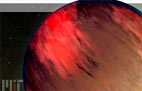
hottest planet - A team of scientists including one from MIT has measured the hottest planet ever at 3,700 degrees Fahrenheit, or 2,300 Kelvin. "This planet is so intriguing that it is changing the way we think about planet atmospheres," said Sara Seager, an MIT Professor with appointments in the Department of Earth, Atmospheric and Planetary Sciences and the Department of Physics.

housing 'affordability' - Brookline, Massachusetts--town of chic boutiques--an "affordable" community? Yes, it is, relatively speaking. Henry Pollakowski, principal research associate for MIT's Center for Real Estate, and colleagues, introduced a new index of housing affordability weighted to reflect a community's proximity to jobs, the quality of its schools and its proportion of publicly accessible open spaces.

Why fuel cells are hard sells - Imagine a vehicle that runs on hydrogen or biofuels and offers the same features, performance and price as today's gasoline vehicle. Will it capture half the market? Not likely, concludes a new MIT analysis. If policy incentives are kept in place long enough, adoption will reach a level at which the market will begin to grow on its own. But "long enough" may be a surprisingly long time.

new detector - Detecting the molecular structure of a tiny protein using nuclear magnetic resonance (NMR) currently requires two things: a million-dollar machine the size of a massive SUV, and a large sample of the protein under study. Now, researchers from MIT's Center for Bits and Atoms report the development of a radically different approach. The new technique could prove invaluable in diagnosing a variety of diseases.

the developing brain - Scientists are keenly studying how neurons form synapses--the physical and chemical connections between neurons--and the "pruning" of neural circuits during development, not least because synaptic abnormalities may partially underlie many developmental and neurodegenerative diseases. Now MIT neuroscientists have taken an important step toward solving this challenging jigsaw puzzle.

DNA damage - In the daunting marathon to market, promising drugs must pass toxicity tests before entering clinical trials. Researchers from MIT have developed a cell culture test for assessing a compound's genetic toxicity that may prove dramatically cheaper than existing animal tests. This assay would allow genetic toxicity to be examined far earlier in the drug development process, making it much more efficient.

creating from Scratch - A new programming language developed at the MIT Media Lab turns kids from media consumers into media producers, enabling them to create their own interactive stories, games, music, and animation for the Web. Children can then share their interactive stories and games on the Web, engaging with other kids in an online community that provides inspiration and feedback.

malaria mechanism - During the first 24 hours of invasion by the malaria-inducing parasite Plasmodium falciparum, red blood cells start to lose their ability to squeeze through tiny blood vessels--one of the hallmarks of the deadly disease that infects nearly 400 million people each year. Now, an international team of researchers led by an MIT professor has demonstrated just why that happens.

bones' building blocks - In work that could lead to more effective diagnoses and treatments of bone diseases, MIT researchers report a first-of-its-kind analysis of bone's mechanical properties. The work sheds new light on how bone absorbs energy. The researchers' look at bone probes its fundamental building block--a corkscrew-shaped protein called collagen--at the level of tens of nanometers, or billionths of a meter.

infectious protein's secret - Although prions, the infectious proteins that cause mad cow disease, have received a great deal of scrutiny, scientists still don't understand many of the fundamental mechanisms of how they form, replicate and cross from one species to another. Now, through studying nontoxic yeast prions, scientists have discovered small but critical regions that determine much of their behavior.

opossum decoded - The human genome is littered with so-called junk DNA, relics of "jumping genes" that hopped about chromosomes for more than a billion years. Although these jumping genes have been widely regarded as parasites, concerned only with self-propagation, a new study suggests they in fact played a creative role in evolution--spreading key genetic innovations across the genome.

rehab for reefs - Even before Gerardo Jose la O' left the Philippines 10 years ago, he noticed a change in the coral reefs. In Sagay City, three decades of dynamite fishing had decimated coral formations, destroying the habitat for one of the highest concentrations of biodiversity in the world. These days, when la O' steps off a plane in Manila, it's not just an escape from New England weather. He's on a mission to save the coral.

May 2007
computer vision - Computers can usually out-compute the human brain, but visual object recognition is a very challenging task. Now, MIT researchers report that a computer model designed to mimic the way the brain processes visual information performs as well as humans do on rapid categorization tasks. This could lead to better artificial vision systems and augmented sensory prostheses.

physics confirmed - Physicists can rest easy--the Standard Model of Particle Physics is still in effect. More than 100 MIT students and professors jammed into a room to hear the long-anticipated results of a particle detection experiment designed to produce evidence that would confirm or reject the model, which outlines the elements of particle physics. The outcome? The standard model is still safe.

linguistic controversy - Controversies in the field of linguistics seldom make headlines, which is why the current imbroglio over an alleged counterexample to Universal Grammar (UG), made famous in the 1960s by MIT Institute Professor Noam Chomsky, is so unusual.

toward recovering memories - Mice whose brains had atrophied like those of Alzheimer's disease patients regained long-term memories and the ability to learn after living in an enriched environment, researchers at MIT's Picower Institute for Learning and Memory reported. The same results also were achieved with a new experimental class of drugs.

surfaces, surfaces - Imagine looking at a pool of spilled milk. How does your brain know that it's milk and not another white substance like sugar, or cottage cheese? MIT researchers and colleagues think they have an answer. Studying how the brain analyzes surface appearance is not only important to understanding the workings of the human brain, but could also help scientists develop better visual systems for robots.

to weigh a cell - For the first time, MIT researchers have found a way to measure the mass of single cells with high accuracy. The new technique, based on a micromechanical detector, could allow researchers to develop inexpensive, portable diagnostic devices and might also offer a unique glimpse into how cells change as they undergo cell division.

domo arigato, mr. roboto - In the futuristic cartoon "The Jetsons," a robotic maid named Rosie whizzed around doing household chores. Robotic housekeeping is likely decades away, but MIT researchers are working on a very early version of an intelligent helper--a robot called Domo who can grasp objects and place them on shelves, and eventually help elderly or wheelchair-bound people with simple household tasks.

brain development - Large mammals--humans, monkeys and even cats--have brains with a somewhat mysterious feature. The outermost layer has a folded surface. Understanding the functional significance of these folds is a big open question in neuroscience. Now a team of researchers has developed a tool that could aid such studies by helping researchers "see" how those folds develop and decay in the cerebral cortex.

inside the Earth - High-resolution images that reveal unexpected details of the Earth's internal structure are among the results reported by MIT and Purdue scientists in a recent issue of Science. The researchers adapted technology developed for near-surface exploration of reservoirs of oil and gas to image the core-mantle boundary some 2,900 kilometers, or 1,800 miles, beneath Central and North America.

super cool - Using a laser-cooling technique that could one day allow scientists to observe quantum behavior in large objects, MIT researchers have cooled a coin-sized object to within one degree of absolute zero. This study marks the coldest temperature ever reached by laser-cooling an object of that size, and the technique may help confirm that large objects obey the laws of quantum mechanics just as atoms do.

closer... closer - In a popular children's game, participants stand as close as possible without touching. But on a microscopic level, coaxing cells to be very, very close without actually touching has been a frustrating challenges for cell biologists. Now MIT researchers have solved the problem with a novel device. The work promises to allow researchers to perform cellular experiments that were previously impossible.

super-strong suture - With the help of a new type of suture based on MIT research, patients who get stitches may never need to have them removed. A biopolymer suture cleared last month by the FDA is made of materials that the human body produces naturally, so they can be safely absorbed once the wound is healed. They are also 30 percent stronger and very flexible, making them easier for surgeons to work with.


April 2007
Expecting the unexpected - The President and CEO of Vertex Pharmaceuticals, Dr. Joshua Boger, will be speaking at the Broad Institute May 1st on, "Discovery and Development of an Aurora Kinase Inhibitor for Cancer: MK-0457 (VX-680)." VX-680 is now in Phase 2 development for the treatment of cancer.

March 2007
bubble logic - MIT researchers have created a way to use tiny bubbles to mimic the capabilities of a computer. The team, based at MIT's Center for Bits and Atoms, reports that the bubbles in their microfluidic device can carry on-chip process control information, just like the electronic circuits of a traditional microprocessor, while also performing chemical reactions.

ethanol optimism - As interest in alternative energy intensifies, more attention has been paid to ethanol. In an article for Science and a Senate hearing on biofuels, two MIT professors weighed in on ethanol's potential. Both professors expressed optimism that biofuels can become a significant part of the U.S. energy supply but that much more research must be done before ethanol can reach its full potential.

optics on a chip - In work that could lead to completely new devices, systems and applications in computing and telecommunications, MIT researchers report a novel way to integrate photonic circuitry on a silicon chip. Adding the power and speed of light waves to traditional electronics could achieve system performance inconceivable by electronic means alone.

tumor defense mechanism - MIT researchers have identified a critical defense mechanism that tumor cells employ to survive the toxic effects of chemotherapy. After chemotherapy, many tumors use a signaling pathway normally associated with the inflammatory response in order to survive. Drugs that knock out this inflammatory defense mechanism would render tumors vastly more susceptible to chemotherapy.

microsieve - A new MIT microchip system promises to speed up the separation and sorting of biomolecules such as proteins. The work is important because it could help scientists better detect certain molecules associated with diseases, potentially leading to earlier diagnoses or treatments.

storing CO2 underground - A new analysis led by an MIT scientist describes a mechanism for capturing carbon dioxide emissions from a power plant and injecting the gas into the ground, where it would be trapped naturally as tiny bubbles and safely stored in briny porous rock.

genetics of schizophrenia - Gene mutations governing a key brain enzyme make people susceptible to schizophrenia and may be targeted in future treatments for the psychiatric illness, according to MIT and Japanese researchers. According to the National Institute for Mental Health, an estimated 51 million people worldwide suffer from schizophrenia.

analog advance - Advances in digital electronic circuits have prompted the boost in functions and ever-smaller size of such popular consumer goods as MP3 players. But the same cannot be said of the older analog circuits in the same devices, which are draining power and causing other bottlenecks to improving consumer electronic devices. Now MIT engineers have devised new analog circuits they hope will change that.


February 2007
inspiration spider silk - Creating artificial substances that are both stretchy and strong has long been an elusive engineering goal. Inspired by spider silk, a naturally occurring strong and stretchy substance, MIT researchers have now devised a way to produce a material that begins to mimic this combination of desirable properties.

RNA history - When MIT biophysicist Alexander Rich announced that two single-strand RNA molecules could spontaneously align themselves to form a double helix just like DNA, many biologists thought it impossible; the rest unlikely. 50 years later, it's clear that Rich was onto something big. In fact, it led to a paradigm shift in biology and helped spawn the global biotechnology revolution.

January 2007
engineered ethanol - MIT scientists have engineered yeast that can improve the speed and efficiency of ethanol production. Ethanol is often touted as a potential solution to the energy crisis, but high ethanol levels are toxic to the yeast that ferments plant material into ethanol. By manipulating the yeast genome, researchers have engineered a new strain of yeast that can tolerate high levels of ethanol and produce ethanol faster.

beyond silicon - MIT engineers have demonstrated a technology that could introduce a new phase of the microelectronics revolution that has already brought us iPods, laptops and more. Engineers estimate that within the next 10-15 years we will reach the limit of the silicon transistors key to the industry. As a result, scientists around the world are working on new technologies that may be able to reach beyond the limits of silicon.

cancer monitor - A tiny implant now being developed at MIT could one day help doctors monitor the growth of tumors and the progress of chemotherapy in cancer patients. The implant contains nanoparticles that can be designed to test for different substances, including metabolites such as glucose and oxygen that are associated with tumor growth.

friendspotting - MIT researchers have unveiled a new social networking application that will make it possible for anyone on MIT's 168-acre campus to locate anyone else via their laptop. iFIND will give all 20,000 members of the MIT community the ability to accurately calculate their location on campus using WiFi access points, and to choose if, when, and with whom they want to share it.

anti-microbial 'paint' - A new antimicrobial "paint" developed at MIT can kill influenza viruses that land on surfaces coated with it, potentially offering a new weapon against a disease that kills nearly 40,000 Americans per year. If applied to doorknobs or other surfaces where germs accumulate, it could help fight the spread of flu, says professor Jianzhu Chen.

solar chemistry - An article by MIT professor Daniel Nocera describes chemistry's role in creating a cost-effective way to store solar energy. He and a professor at Caltech suggest that we store solar energy in the form of chemical bonds, as plants do in photosynthesis. It would involve splitting water to generate oxygen and storable fuels such as methane or other hydrocarbons.


December 2006
wireless energy - Recharging your laptop or cell phone may one day be as convenient as surfing the Web--wirelessly. Like many of us, assistant professor Marin Soljacic often forgets to recharge his cell phone. Soljacic realized that the close-range induction taking place inside a transformer--or something similar--could potentially transfer energy over longer distances, say, across a room.

silent aircraft - MIT and Cambridge University researchers have unveiled the conceptual design for a silent, environmentally friendly passenger plane. This collaboration of 40 researchers, plus many others from more than 30 companies, was launched "to develop a conceptual design for an aircraft whose noise was almost imperceptible outside the perimeter of an airfield."

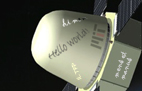
Yournameintospace.org - MIT's student-led Mars Gravity Biosatellite Program has publicly launched a unique effort to pay its way into space through its new website, YourNameIntoSpace.org. The group is offering to put logos, photos, messages and other images on its new Earth-orbiting research spacecraft that will be launched into orbit in 2010.

optimizing gas production - Natural gas is difficult to transport and store, so energy companies tend to produce it only under long-term contracts. As a result, they miss opportunities for short-term sales, and reduce its overall availability. MIT engineers have developed a model that could help companies produce natural gas more efficiently and ensure a more reliable supply.

periwinkle chemical plant - MIT researchers have discovered a way to manipulate the chemistry taking place in the periwinkle plant to produce novel compounds that could have pharmacological benefits. "Plants are really nature's best chemists," says Sarah O'Connor, an assistant professor of chemistry.

acrobatic plastics - Researchers at MIT have invented a class of materials so remarkable for their agility in changing shape, they might be described as acrobatic plastics. The new materials, known as "triple-shape materials," can assume three different shapes, depending on how much heat is applied. Potential uses include an "intelligent stent" that could assume different shapes to facilitate medical procedures.

electronics behavior - Troy Van Voorhis likes to watch how things work. This natural curiosity led to his current research on the behavior of electrons and how they function in various molecular systems, including artificial photosynthesis. The theories and simulations he and his team create may help lead to improvements in devices such as electronics, solar cells and lighting.

collagen model - An MIT researcher's mathematical model explains for the first time the distinctive structure of collagen, a material key to healthy human bone, muscles and other tissues. Improved understanding could aid the search for cures to osteoporosis, joint hyperextensibility and scurvy. It could also guide development of synthetic collagen, which in its healthy state is several times stronger than steel per molecule.

comics rays - MIT astronomers and a colleague have created an extraordinarily detailed image of the remains of an exploded star that provides new clues about the origins of cosmic rays, mysterious high-energy particles that bombard the Earth.

November 2006
Academic rendezvous - French-language students at MIT are benefiting from a new method of instruction developed by Senior Lecturer Gilberte Furstenberg and colleagues. Working in parallel with English classes at institutions of higher learning in France, the MIT students are using Internet forums to explore issues of cultural difference that lie deep beneath the surface of language.

Environmental survey - According to a recent MIT survey, Americans now rank climate change as the most pressing environmental problem--a dramatic shift from three years ago, when climate change was 6 out of 10. Almost 3/4 of the respondents felt the government should do more to deal with global warming, and they were willing to spend their own money to help.

Toward artificial spider silk - MIT engineers have identified two key physical processes that lend spider silk its unrivaled strength and durability, bringing closer to reality the long-sought goal of spinning artificial spider silk. Manufactured spider silk could be used for artificial tendons and ligaments, sutures, parachutes and bulletproof vests.

Peering into a cell - For the first time, MIT researchers can see every vibration of a cell membrane, using a technique that could one day allow scientists to create three-dimensional images of the inner workings of living cells. Studying cell membrane dynamics can help scientists gain insight into diseases such as sickle cell anemia, malaria and cancer.

Anti-microbial 'grammar' - In most languages, sentences only make sense if the words are placed in the right order. Now, MIT researchers and an IBM colleague have used grammatical principles to help their search for new antimicrobial medicines. The research could lead to new medicines to combat deadly drug-resistant bacteria.

Lab on a chip - Testing soldiers for exposure to biological or chemical weapons could soon be much faster and easier, thanks to MIT researchers who are helping to develop a tiny diagnostic device that could be carried into battle. By tweaking the design of a tiny pump, researchers have taken a major step towards making an existing miniature "lab on a chip" fully portable.

Web science - MIT and the University of Southampton announced a long-term research collaboration that aims to produce the fundamental scientific advances necessary to guide future design and use of the World Wide Web. The Web Science Research Initiative (WSRI) will generate an agenda for understanding the scientific, technical and social challenges underlying the growth of the web.

Dough in the lab - Trevor Shen Kuan Ng rolls dough. He also stretches it like Silly Putty, twirls it like taffy and flattens it into rectangles like wide fettuccine. In engineering-speak, this is called rheology, and it provides valuable information for commercial bakeries that need accurate, repeatable techniques for measuring the properties of dough to ensure the tastiest product.


August 2006
hyperbow - A Ph.D. candidate in the Hyperinstruments Group of the MIT Media Lab has developed a new electronic sensing system to measure minute changes in the position, acceleration and strain of a violin bow. The system can be used to evaluate different bowing techniques and may expand the expressive possibilities of the violin by electronic means.

robopsy - Two MIT graduate students have helped design a machine that may make needle biopsies less invasive and less prone to complications for lung cancer patients. Working with an engineering professor and radiologist, the students have come up with an invention they hope will cut both time and complications from a typical lung biopsy.

cell-shaped building - An innovative cell-shaped building will house a new biomedical institute in China, thanks to a collaboration between MIT bioengineer Shuguang Zhang, his former student, architecture major Sloan Kulper, and EECS major Audrey Roy. The building is intended to look like a cell from the outside and to include forms inspired by molecular biology inside.

Mars probes - MIT engineers and colleagues have a new vision for the future of Mars exploration -- a swarm of probes, each the size of a baseball, spreading out across the planet in every direction. Thousands of probes, powered by fuel cells, could cover a vast area now beyond the reach of today's rovers, including remote and rocky terrain that large rovers cannot navigate.

crystal structures - The same computer method of data mining used by online sales sites to suggest books to customers can help predict the crystal structures of materials, MIT researchers have found. These structures are key to designing new materials and improving existing ones, which means that everything from batteries to airplane wings could be influenced by the new method.

synthetic biology - Five MIT researchers are among the pioneers behind a new research center in synthetic biology, a precocious field whose primary long-term goal is to make it easier to design and build useful organisms. Current work includes refining pieces of DNA into standard biological parts that researchers could then mix and match to produce novel biological systems.

inflammation, disease link - MIT research may help scientists better understand the chemical associations between chronic inflammation and diseases such as cancer and atherosclerosis. The work could lead to drugs that break the link between the two.

superfluidity - For the first time, MIT scientists have directly observed the transition of a gas to a superfluid. Observations of superfluids may help solve lingering questions about high-temperature superconductivity, which has widespread applications for magnets, sensors and energy-efficient transport of electricity.

exploring anesthesia - Raise your hand if you are more afraid of the prospect of general anesthesia than of surgery itself. You are not alone, according to MIT's Dr. Emery Brown, who explores what happens to the brain during anesthesia. "Anesthesia has taken on a mythical quality; it's not perceived as a neuro-physiological phenomenon," said Brown.

July 2006
Namib Desert beetle - Inspired by this dime-sized beetle and its moisture-collection system, exquisitely adapted to its desert habitat, MIT researchers have produced a new material that can capture and control tiny amounts of water.

cancer in 3D - New research at MIT may lead the pharmaceutical industry to take a whole new approach to battling the spread of cancer. A new MIT study indicates that the common two-dimensional assays, or tests, to evaluate anti-cancer therapeutics misses some crucial phenomena.

oceans and CO2 - Circulation in the waters near the Antarctic coast may be one of the planet's critical means of regulating levels of carbon dioxide in the Earth's atmosphere, according to researchers from MIT, Princeton and the National Oceanic and Atmospheric Administration.

Parkinson's advance - More than a million Americans suffer from Parkinson's disease. Now, scientists at MIT and the Whitehead Institute have identified a key biological pathway that, when obstructed, causes Parkinson's symptoms. Even more importantly, they have figured out how to repair that pathway and restore normal neurological function in certain animal models.

novel telescope - A novel telescope that will aid the understanding of the early universe is moving closer to full-scale construction thanks to a $4.9 million award from the National Science Foundation to a U.S. consortium led by MIT. It will allow scientists to better predict solar bursts of superheated gas that can play havoc with satellites, communication links and power grids.

how tumors form - MIT cancer researchers have discovered a process that may explain how some tumor cells form, a discovery that could one day lead to new therapies that prevent defective cells from growing and spreading.

seafood advisory - In its latest outreach campaign, MIT Sea Grant has developed an educational pamphlet to encourage people not to release or dump live and fresh seafood and seafood waste into the wild. "Live and Fresh Seafood Into the Pan, Not Into the Wild," provides details about proper handling and disposal to prevent introducing invasive species.

rebuilding New Orleans - The AFL-CIO has pledged $1 billion toward efforts to rebuild New Orleans, which will include a housing plan developed by a team from MIT. The seven-year Gulf Coast Revitalization Program is designed to produce affordable housing, promote home ownership and create good jobs for New Orleans and other communities ravaged by Hurricane Katrina.

viral clues - Since many viruses have spent hundreds of thousands of years fine-tuning their abilities to hijack the cellular processes of other organisms, scientists have been able to learn a great deal about how human cells operate by studying these pathogens. "Viruses and other pathogens are simply mirror images of our immune system," said Ploegh, senior author on an article in Nature.

iLabs in China - In June, students joined MIT faculty at the first Asian MIT-iCampus Conference, an unprecedented effort to introduce China's top universities to iLabs, MIT's free online remote laboratory initiative. iLabs allows students and educators anywhere to access MIT equipment to conduct science and engineering experiments.


June 2006
detecting tumors - A new technique devised by MIT engineers may one day help physicians detect cancerous tumors during early stages of growth. The technique involves injecting nanoparticles made of iron oxide into the body, creating masses with enough of a magnetic signal to be detectable by a magnetic resonance imaging (MRI) machine.

seeing machine - An MIT poet has developed a small, relatively inexpensive "seeing machine" that can allow people who are blind, or visually challenged like her, to access the Internet, view the face of a friend, "previsit" unfamiliar buildings and more. The new device costs about $4,000, compared to the $100,000 price tag of its inspiration, a machine Goldring discovered through her eye doctor.

revamped energy system - MIT researchers are applying new materials and new technologies to an old idea--thermophotovoltaic (TPV) conversion of light into electricity. For example, in a car, the new TPV system burns a little fuel to create super-bright light. Efficient photo diodes would then harvest the energy and send it off to run the various electronic systems in the car.

oil recovery - Work in an MIT lab may help energy companies withdraw millions of barrels of oil from beneath the sea floor. Since companies typically recover only 30-40 percent of a reservoir that may contain a billion barrels, increasing "recovery efficiency" by even a single percentage point would mean a lot of additional oil.

human activity and hurricanes - Human-induced climate change, rather than naturally occurring ocean cycles, may be responsible for the recent increases in the frequency and strength of North Atlantic hurricanes, according to MIT and Penn State researchers.

spintronics - Researchers at MIT's Francis Bitter Magnet Lab have developed a novel magnetic semiconductor that may greatly increase the computing power and flexibility of future electronic devices while dramatically reducing their power consumption.

fluorescent sensor - MIT scientists have discovered a way to monitor a crucial molecule as it goes about its business within living cells. The molecule, nitric oxide (NO), plays critical roles in the human body - from the destruction of invading microorganisms to the relaying of neural signals. But catching NO at work has long eluded scientists.

eco-friendly buildings - Operating commercial buildings consumes a sixth of all the energy used in the Western world. Getting rid of air conditioning could cut that consumption by as much as a third, but people don't like to work in sweltering heat. So MIT researchers are making computer-based tools to help architects design buildings that cool occupants with natural breezes.

drug database - Researchers at the Broad Institute of MIT and Harvard have released a major upgrade of ChemBank, a publicly available database created to help drug hunters discover new and effective medicines. The web-based ChemBank includes data on drug candidates and their behavior in cells selected to serve as models of human disease, especially cancer.

monkey business - Rachel Kern's Media Lab office is quiet until she sits down and begins to talk. Soon, two plush monkeys hanging by their tails also begin to talk. Little monkey faces go up and down. Invisible sensors sense. Tiny motors whir. Fuzzy arms reach out. "They're reacting to each other," Kern explains, as the electronic duet escalates, then ebbs.

humans and chimps - The evolutionary split between humans and chimpanzees is much more recent -- and more complicated -- than previously thought, according to a new study by scientists at the Broad Institute of MIT and Harvard and colleagues.

biological cloaking device - Why does our immune system easily identify many bacterial and viral infections yet sometimes miss other invaders, such as pathogenic fungi? This question has troubled biologists for decades. Now, Whitehead Institute and MIT researchers have discovered a biological "cloaking device" that may help pathogenic fungi hide from the immune system.

May 2006
Energy Research Council issues report - The Energy Research Council, charged by MIT President Susan Hockfield last June with exploring how MIT can help meet the global energy challenge, released its 50-plus-page report today, thrusting MIT into a new era of energy research, education and campus initiatives.

Of viruses and batteries - MIT scientists have harnessed the construction talents of tiny viruses to build ultra-small "nanowire" structures for use in very thin lithium-ion batteries. By manipulating a few genes inside these viruses, the team was able to coax the organisms to grow and self-assemble into a functional electronic device.


March 2006
A matter of modeling - The nature of many tumors -- and the reasons why they progress they way the do -- remains a murky and challenging subject. Peter Sorger, an associate professor of biology, is among those trying to shed light on it.

Basic research and patient care - More than two decades ago, MIT biology professor Robert Weinberg discovered the key gene that becomes dysfunctional in certain breast cancers. Genentech then took over and brought the drug Herceptin to market in 1998. Aside from its value in cancer, the new agent is also an argument for a basic research approach.

huge surprise - Jacqueline Lees, associate head of the MIT cancer center, along with Nancy Hopkins, has been looking for additional types of gene defects linked to cancer and is probing for connections between fish tumors and human disease.

Liver on a chip - Linda Griffith is among the engineering faculty focused on cancer work. She has also been focused on another tissue engineering challenge: creating a "liver on a chip." The liver is a critical player in many diseases, including cancer.

New preventive strategies - While much of MIT's cancer work focuses on its basic biology or on new approaches to treatment, prevention's also a priority -- and one where new strategies are emerging just as they are in other realms.

New roles for engineers - Douglas Lauffenburger, professor of biological engineering, is head of the MIT division by that name. His division is focused on educating a new generation of engineers who are also steeped in molecular biology. He and others with engineering backgrounds have been added to the ranks of the MIT cancer center.

Submicroscopic healers - Prof. Robert Langer, along with a Harvard counterpart, runs a new $20 million Harvard-MIT collaboration, the Center for Cancer Nanotechnology Excellence.

Stunning discovery - Prof. Phillip Sharp, a Nobel laureate, says a "stunning discovery" eight years ago could slow or even cure cancer.

Is cancer finally in retreat? - Biology professor Tyler Jacks, director of the MIT Center for Cancer Research, says the path to truly major inroads against the disease "won't be easy; but I do think we're turning the corner."

January 2006
wind power - MIT researchers studying winds off the Northeast coast have found that estimating the potential environmental benefits from wind and other renewables requires a detailed understanding of the dynamics of both renewable resources and conventional power generation.


December 2005
sleuthing for materials - In work that could radically change how engineers search for new materials, MIT researchers have developed a way to test the mechanical properties of almost 600 different materials in a matter of days - a task that would have taken weeks using conventional techniques.

toward bionic speed - Currently, robotic muscles move 100 times slower than ours. But engineers using the Yip lab's new theory could boost those speeds -- making robotic muscles 1,000 times faster than human muscles -- with virtually no extra energy demands and the added bonus of a simpler design.

making, breaking habits - Habits help us through the day, eliminating the need to strategize about each tiny step involved in our complex routines. Bad habits, though, can have a vise grip on both mind and behavior. Notoriously hard to break, they are devilishly easy to resume. A new study in Nature, led by Ann Graybiel, now shows why.

MIT at the North Pole - At 75 degrees north latitude, Devon Island lies high above the Arctic Circle, a few hundred miles from the magnetic North Pole. A true polar desert, it is also the largest uninhabited island on Earth. But the reach of MIT extends even here.

brain waves - Different brain regions working together may coordinate by locking into an oscillation frequency the way a radio tuner locks into a station, report researchers from MIT's Picower Institute for Learning and Memory. Unsynchronized brain rhythms may be tied to mood disorders or diseases such as schizophrenia.

tv fans' influence - Fans now generate more publicity for new TV shows than big corporate campaigns, and their growing influence promises to create new alliances between citizen-viewers and producers -- but networks are not necessarily embracing these changes, according to Henry Jenkins, director of MIT's Comparative Media Studies Program.

visual code - In the sci-fi movie "The Matrix," a cable running from a computer into Neo's brain writes in visual perceptions, and Neo's brain can manipulate the computer-created world. In reality, scientists cannot interact directly with the brain. Now, neuroscientists in MIT's McGovern Institute have been able to decipher a part of the code involved in recognizing visual objects.

November 2005
gamma-ray mystery - An international team of astronomers led by MIT has solved the mystery of the origin of short gamma-ray bursts, violent cosmic events marking the explosive collision of two compact stars.

bugs on water - MIT mathematicians have discovered how certain insects can climb what to them are steep, slippery slopes in the water's surface without moving their limbs - and do it at high speed. Welcome to the world of the tiny creatures that live on the surface of ponds, lakes and other standing bodies of water.

rammed earth - Architects looking for sustainable building materials might try the dirt under their feet, say a team of MIT architecture students, who built a garden wall using an ancient construction technique called "rammed earth" to test the method with New England soils.

HapMap - Researchers at the Broad Institute of MIT and Harvard and colleagues have published new papers that bring scientists closer to their ultimate goal -- to grasp the core mechanisms of human biology and disease -- by developing a comprehensive catalog of the genetic diversity in the human genome sequence across human populations.

birds resistant to avian flu? - Creating a strain of avian flu-resistant chickens and exploring how canaries learn to sing are two of many potential uses for an MIT researcher's simple new way to create transgenic birds.

x-ray vision - X-ray cameras designed by physicists at MIT's Kavli Institute for Astrophysics and Space Research are a key component of a new instrument aboard an orbiting Japanese observatory that will probe the secrets of such phenomena as exploding stars. The instrument recently took its first pictures, flawlessly capturing the image of an exploded star in the Small Magellanic Cloud.

understanding movement - In work that could aid the development of robotic prostheses, MIT neuroscientists have gotten one step closer to understanding how the central nervous system solves a gigantic problem -- the production of voluntary movements.

engineering metals and proteins - Scientists have applied a tool normally used for stainless steel and other metal alloys to a decidedly nonmetallic substance--protein. By applying a computational technique for alloy design, the researchers were able to search through potential amino acid configurations up to 100 million times faster than with conventional techniques.


September 2005
Music to Your Ears? - Is one man's Mozart another man's migraine? It might be, if culture plays the dominant role in music perception. Thus far, such matters have been the province of armchair debates, but now two MIT graduate students have designed an experiment to measure just how different--or similar--perceptions of music are across cultures.

Bone and Fat - MIT researchers have identified a gene that helps control the balance between bone and fat in the human body, a discovery that could pave the way for the prevention of childhood obesity and the treatment of osteoporosis.

Courtroom Drama - Anyone who watches television knows all about courtroom drama. Turns out, trials have been used to educate and entertain for a long time. An MIT historian's delight in scholarly sleuthing has yielded an accessible and timely new book on the use of mock trials in the Soviet Union.

Toward Fuel Efficiency - The government needs to help get new technologies into the marketplace, MIT Professor John Heywood testified before Congress this summer, and suggested that incentives to "all the involved stakeholders (including consumers)" would "pull and push this technology into the marketplace and ensure it is used."

Intelligent Transportation - In his new book, MIT Professor Joseph Sussman examines how high technology and improvements in information systems, communication, sensors, and advanced mathematical methods have changed the world of transportation and shares his optimism about the potential of IT systems to improve urban and regional traffic.

Sunny Conundrum - A new survey of the sun's neighboring stars suggests there is nearly three times more neon in the sun than previously believed, thus solving a theoretical conundrum about the way the sun transfers heat and light from its core to its surface.

Diagnosing Alzheimer's - MIT scientists have developed a new dye that could offer noninvasive early diagnosis of Alzheimer's disease, a discovery that could aid in monitoring the progression of the disease and in studying the efficacy of new treatments to stop it. The new dye could allow direct imaging of Alzheimer's plaques through a patient's skull.

August 2005
rare light show - Thanks to a feat of both astronomical and terrestrial alignment, a group of scientists from MIT and Williams College succeeded in observing distant Pluto's tiny moon, Charon, hide a star. The team expects to use data from this observation to assess whether Charon has an atmosphere, to measure its radius and to determine how round it is.

bone bioreactor - An international team of biomedical engineers, including several from MIT, has demonstrated for the first time that it is possible to grow healthy new bone reliably in one part of the body and use it to repair damaged bone at a different location.

Mars so cool - Scientists have long thought that the Red Planet was once temperate enough for water to have existed on the surface and perhaps for life to have evolved there. But a new study suggests that during the last 4 billion years, Mars has never been sufficiently warm for liquid water to have flowed on the surface for extended periods of time.

anti-cancer smart bomb - Imagine a cancer drug that can burrow into a tumor, seal the exits and detonate a lethal dose of anti-cancer toxins, all while leaving healthy cells unscathed. MIT researchers have designed a nanoparticle to do just that. The drug-packing "nanocell" proved effective and safe, with prolonged survival, against two distinct forms of cancers in mice.

insights into vision - When you see a flower, neurons deep inside your brain respond to the flower's color, shape and distance from your eyes, somehow working together to create the flower's image in your mind. The question for neuroscientists is, how do they do that? The evidence suggests that multitasking may be fundamental to the way the brain works.

monster hurricanes - Hurricanes have grown significantly more powerful-and destructive-over the last three decades due in part to global warming, says an MIT professor who warns that this trend could continue.


July 2005
cancer ID - Despite significant progress in understanding the genetic changes in many different cancers, the diagnosis and classification of tumor type remains, at best, an imperfect art. This could change, thanks to research findings from the Broad Institute of MIT and Harvard, the Dana-Farber Cancer Institute, MIT and St. Jude's Children's Research Hospital.

synthetic genomics and society - At a time when biologists are faced with more ethics and security concerns than ever, MIT and two other organizations announced a new project to examine the societal implications of synthetic genomics, a new field involving the development of viruses and cells using designed and engineered DNA.

lung stem cells - Researchers at the MIT Center for Cancer Research have discovered the first stem cells of the lung, cells that could be responsible for one type of lung cancer. This finding may aid in the development of early detection strategies for lung cancer, the leading cause of death from cancer worldwide.

engineered muscles - For years, a major obstacle to creating "replacement parts" for the human body has been the lack of an internal, nourishing blood system in engineered tissues. Now, researchers in Professor Langer's lab have used a novel cocktail of cells, including those derived from human embryonic stem cells, to coax in vitro muscle tissue to develop its own vascular network.

supercool matter - MIT scientists have brought a supercool end to a heated race among physicists. They have become the first to create a new type of matter, a gas of atoms that shows high-temperature superfluidity. Their work, reported in Nature, is closely related to the superconductivity of electrons in metals.

robots for stroke patients - Clinical trials have already shown that an MIT robotic arm can help stroke patients regain movement faster. Now MIT pioneers in the field of robotic therapy are hoping a robotic gym full of machines targeted at different parts of the body will significantly improve stroke patients' movement in arms, wrists, hands, legs and ankles.

nanoprinter - Just as the printing press revolutionized the creation of reading matter, a "nano-printing" technique developed at MIT could enable the mass production of nano-devices currently built one at a time. The most immediate candidate is the DNA microarray, a nano-device used to diagnose and understand genetic illnesses such as Alzheimer's and certain types of cancer.

June 2005
the brain and waldo - At any given moment, the world bombards the senses with more information than the brain can process. Scientists and psychologists have long debated how the brain filters out distractions. The McGovern Institute for Brain Research at MIT has shown that neurons synchronize their signals to command attention, like a chorus rising above the din of noisy chatter.

mozambique outreach - Many people in Mozambique still lack access to clean water and basic sanitation, but a group of MIT students is working hard to change all that. Department of Urban Studies and Planning Assistant Professor Jennifer Davis and a team of 10 MIT graduate students are going to Mozambique this summer to try to find solutions that work within the culture.

new himalayan fault - MIT and Dartmouth scientists have identified a previously unrecognized, active fault in the Nepalese Himalayas. The discovery, published in Nature, provides new insights into how the mountains evolved and helps explain why the transition between the high Himalayan Ranges and their gently sloping foothills is so abrupt.

affordable housing myths - The one thing that everybody close to Boston talks about--besides the Red Sox--is the high cost of housing. But affordable housing can be an even more controversial subject than the Sox. A new report from MIT's Center for Real Estate debunks the notion that affordable housing developments depress the values of nearby single-family dwellings.

TParty - MIT and Quanta Computer, Inc. have announced a five-year, $20M joint research collaboration project ("TParty") aimed at developing the next generation of platforms for computing and communication beyond personal computers. TParty will address one of the most frustrating aspects of today's computing landscape.

explosives detection - MIT researchers have announced an innovation that could greatly improve explosives detection for military and civilian security applications. Scientists have developed a new polymer that greatly increases the sensitivity of chemical detection systems for explosives such as TNT (trinitrotoluene).

tsunami relief logistics - The devastation caused by last December's tsunami prompted an unprecedented outpouring of global aid that presented disaster relief providers with innumerable logistical challenges. Now an MIT graduate student has teamed up with an international humanitarian organization to draw logistical lessons from the relief effort.


May 2005
clocky - MIT Media Arts and Science graduate student Gauri Nanda has developed a relatively simple product designed to combat a common problem: oversleeping. To solve the main cause of oversleeping--the snooze bar--Nanda designed a hide-and-seek process that could revolutionize the morning for many oversleepers.

light-sensitive plastics - Picture a flower that opens when facing the sunlight. In work that mimics that sensitivity to light, an MIT engineer and colleagues have created the first plastics that can be deformed and temporarily fixed in a new shape by light with certain wavelengths. The work could have potential applications in a variety of fields, including minimally invasive surgery.

asteroid scale - Astronomers led by an MIT professor have revised the scale used to assess the threat of asteroids and comets colliding with Earth to better communicate those risks with the public. The overall goal is to provide easy-to-understand information to assuage concerns about a potential doomsday collision with our planet.

stem cell guidelines - In a National Academies report, 10 scientists, including two from MIT, offer research guidelines for human embryonic stem cells, the cells taken from a five-day-old fertilized egg that may be tweaked to become any organ within the body. Although compliance is voluntary, some institutions have already agreed to abide by the guidelines.

floodsafe honduras - Eight MIT students were in Tocoa, Honduras, recently working on an automated flood early warning system and visiting towns that had been badly damaged by flash flooding in the wake of Hurricane Mitch in October 1998. The group tested software and radio equipment and installed a river-level sensor in the Aguan River in northeastern Honduras.

perfect liquid - Physicists working to re-create the matter that existed at the birth of the universe expected something like a gas and ended up with the "perfect" liquid. These findings may open new avenues of thought about the fundamental properties of matter and the conditions that existed just after the Big Bang, according to the U.S. Department of Energy.

learning birdsongs - Scientists have wondered how a young bird develops the distinct melodies of its parents. Neuroscientists at MIT have shown a particular region in birds' brains to be the source. Songbird's trial-and-error learning provides an ideal model for studying processes in humans, such as how babies take on the conversational cadences of mama and papa.

April 2005
building brains - A tiny molecule is key to determining the size and shape of the developing brain, researchers from the Picower Institute for Learning and Memory at MIT reported in the March issue of Nature Neuroscience. This molecule may one day enable scientists to manipulate stem cells in the adult brain.

weird fields - The whorls and swirls of color may look like something by art nouveau painter Gustav Klimt, but the winning images from MIT's annual 8.02 "Weird Fields" contest are really computer-generated visualizations of vector fields. And the most striking image wins.

target for cancer drugs - Researchers at the Whitehead Institute and MIT have discovered a missing piece of how certain cancers work. Scientists have been trying to fully understand a communication pathway inside cells that contributes to many malignant brain and prostate cancers. The new finding may present drug makers with a significant new cancer target.

ilab africa - Students in Uganda, Tanzania and Nigeria can now perform sophisticated engineering and science experiments at MIT--without ever getting on a plane. "If you can't come to the lab, the lab will come to you," said Jesus del Alamo, co-principal investigator on the Africa project and a professor in EECS.

humans & chimps - Researchers have learned that despite the 99 percent similarity between the DNA of humans and our closest relative, the chimpanzee, a significant difference occurs in the places along the genome where gene swapping occurs.

climate change and the public - Climate change and the threat of global warming are poorly understood by the U.S. public, and taking action to reduce their impact is not a high priority, according to a recent MIT survey. These results suggest that change in U.S. climate policy will not be led by public opinion. Elected officials will have to provide leadership.

a taxing time - Airline passengers are giving an ever-increasing portion of their travel dollars to Uncle Sam, according to data released by MIT's Global Airline Industry Program. Airline ticket prices overall have actually dropped, however, taxes and fees, which fund a significant portion of U.S. air-traffic control and airport systems, have remained about the same.


March 2005
cell's balancing act - Researchers at MIT's Picower Center for Learning and Memory have uncovered an important new way that the brain performs complex functions such as pattern recognition. The work, led by Professor Mriganka Sur, has implications for understanding the cellular mechanisms underlying many higher level functions, including consciousness.

voting technology improvements - Professor Charles Stewart, head of MIT's Department of Political Science, and other researchers in the CalTech/MIT Voting Technology Project, studied the 2004 Presidential Election on election day and afterward to see what changes and improvements had occurred since 2000.

rest easy - A new study by MIT scientists and colleagues confirms that melatonin is an effective sleep aid for older insomniacs and others. Misuse of the hormone had led some to question its efficacy, but the latest work could jump-start interest in the dietary supplement and help more people get a good night's sleep.

smarter primitive brain - Primitive structures deep within the brain may have a greater role in our high-level everyday thinking processes than previously believed, report researchers at MIT's Picower Center for Learning and Memory. The study's results have implications about how we learn, and also may lead to better understanding and treatment for autism and schizophrenia.

supersized stars - An MIT undergraduate who says she's been interested in astronomy for "as long as I can remember" is lead author of an Astrophysical Journal paper announcing the discovery of three stars that have the largest diameters of any normal stars known, more than a billion miles across.

robo-toddler - A research team from MIT has built a walking robot that mimics humans in terms of their gait, energy-efficiency and control. The robot also demonstrates a new learning system that allows it to continually adapt to the terrain as it walks. The work has potential applications for robotic prostheses and could aid scientists' understanding of the human motor system.

post-tsunami research - The Indian Ocean tsunami's impact on Sri Lanka's drinking water and soil was the focus of an expedition last month by an MIT professor and colleagues. The team kept a log while on the trip that's available online with photos.

January 2005
how viruses dupe cells - The binding of a viral RNA and a viral protein brings about a physical transformation that dupes host cells into enthusiastically copying the invading pathogen, according to a team of researchers from MIT and Harvard. Future research will look at vaccines and treatments for dengue fever, West Nile disease, and similar infections.

gigantic telescope - MIT astrophysicists and their colleagues are excited about the latest milestone toward developing a giant telescope that will allow direct observations of planets in solar systems beyond ours. The telescope will have 10 times the resolution of the Hubble Space Telescope enabling a variety of new projects and observations.

cancer model - Scientists from MIT's Center for Cancer Research have developed a new mouse model that closely resembles Li-Fraumeni Syndrome (LFS) in humans. The development of a therapy for LFS has the potential to be applied to a wide range of cancers, such as colon, breast, and skin cancers.

novel energy experiment - MIT and Columbia University researchers have begun operation of a novel experiment to test whether nature's way of confining high-temperature gas might lead to a new source of energy for the world. Fusion energy is advantageous because its hydrogen fuel is practically limitless and the resulting energy would not contribute to global warming.

malaria insights - An international team of scientists led by MIT's Subra Suresh report the most complete and quantitative characterization yet of how a healthy human blood cell changes its shape, or deforms, upon being invaded by the malaria-inducing parasite Plasmodium falciparum. The work could lead to better treatments for malaria and other diseases.

to mend a broken heart - MIT engineers report creating a swatch of heart tissue with many of the hallmarks of mature cardiac tissue, including regular contractions. "We have been trying to engineer tissue with the same properties as native heart tissue that could be attached over injured myocardium," said Gordana Vunjak-Novakovic. "Think of it as a patch for a broken heart."


December 2004
high-level thinking - A gene expressed only in brain areas responsible for high-level thinking and feeling may be key to the brain's ability to respond rapidly to new input, scientists at MIT's Picower Center for Learning and Memory and colleagues report in Neuron. The finding may one day allow researchers to manipulate the level or speed at which people learn new information.

race and community - Race and racial identity can help build healthy and just communities, according to an MIT report. "Vital Difference: The Role of Race in Building Community" argues that race, often considered divisive, can actually play a significant role in uniting communities that are struggling against poverty, racism and inadequate services.

spintronics - The Korea Institute of Science and Technology (KIST) and MIT's Francis Bitter Magnet Laboratory have launched a 10-year program in spintronics, a field that could lead to new ways for storing and communicating information.

diabetes initiative - The Broad Institute of MIT and Harvard has joined with Novartis in a project to decipher the genetic causes of type 2 diabetes. Type 2 diabetes is one of the world's most significant and growing public health threats. In this new model for public-private collaboration, the team plans to make its findings freely available to scientists worldwide via the web.

magnesium and memory - MIT researchers report a possible new role for magnesium, helping maintain memory function in middle age and beyond. The adult daily nutritional requirement for magnesium, a trace mineral found in foods such as dark green, leafy vegetables, is around 400 mg a day, but as many as half of all Americans do not consume enough magnesium.

plane speaking - MIT researchers have developed an aircraft guidance system that allows a pilot in one plane to guide a separate, pilotless airplane by speaking commands in English. In a flight test, the pilotless vehicle responded to sudden changes in plan and avoided unexpected threats en route to its destination, in real time.

October 2004
shape-shifting protein - Researchers at MIT's Picower Center for Learning and Memory are one step closer to understanding how brain synapses make chameleon-like changes in their structure and composition depending on the input they receive. This knowledge may one day make it possible to enhance learning and memory by manipulating neurons at a molecular level.

spinach power - For the first time, MIT researchers have incorporated a plant's ability to convert sunlight to energy into a solid-state electronic "spinach sandwich" device that may one day power laptops and cell phones. At the heart of the device is a protein complex dubbed Photosystem I (PSI), derived from spinach chloroplasts.

prions and evolution - When a protein misfolds, the results can be disastrous. An incorrect change in the molecule's shape can lead to diseases including Alzheimer's and Huntington's. But scientists have discovered that misfolded proteins can have a positive side in yeast, helping cells navigate the dicey current of natural selection by expressing a variety of hidden genetic traits.

marine microbes - Marine microbes shape the chemical composition of the Earth's oceans and atmosphere, yet we know essentially nothing about them. Now, thanks to major grants from the Gordon and Betty Moore Foundation, MIT researchers aim to learn dramatically more about some of the most important organisms on the globe.

genome control - Scientists have churned out genome sequences for everything from fungi to dogs, and they won't be letting up any time soon. However, because a genome sequence is little more than a static list of chemicals-like, say, a parts list for a 747 airplane-scientists are increasingly turning their attention to figuring out how living organisms put their genes to work.

birth of a supernova - Three recent powerful blasts from three wholly different regions in space have left scientists scrambling. The blasts, which were detected by an MIT team, might be early-alert systems for star explosions called supernovae, which could start appearing any day now.

7 steps for voters - Voting experts from MIT and the California Institute of Technology say that American voters can take seven crucial steps to ensure that their votes are counted in the November 2 presidential election. The steps can help prevent the problems that arose in the 2000 presidential election, when millions of votes were lost due to registration mix-ups and confusing ballots.


September 2004
laser link to Mars - A NASA-MIT Lincoln Laboratory team will forge the first laser communication link between Mars and Earth. In 2010, the team will test the first deep-space laser communication link, which promises to transmit data at a rate nearly ten times higher than any existing interplanetary radio communication link.

soldiers' burdens - A mechanical engineer and lieutenant colonel in the U.S. Army who serves as liaison to MIT's Institute for Soldier Nanotechnologies (ISN) is conducting the first-ever analysis of the loads soldiers actually carry into combat, using current conflicts in Iraq and Afghanistan as his laboratory.

I-Neighbors - Critics say the Internet increases global communication at the expense of real-world communities. To address these concerns, researchers at MIT have created a free online service called I-Neighbors, designed to help neighborhoods strengthen local bonds and social interaction.

the adaptable brain - Mice "rewired" to receive visual cues in the hearing region of their brains learned to respond to a flashing light as if they had heard it instead of seen it, MIT researchers report. If extended to humans, this may mean that in the future, individuals with brain damage from aging or disease may be able to have stimuli from the outside world routed in new ways.

bye-bye needles - Fear of needles could become a thing of the past. A painkilling device approved by the FDA could offer relief to children and adults who hate the sharp stab of pain that comes with needles and IVs. The medical device uses an ultrasonic method created by MIT researchers to make skin temporarily more permeable.

yin-yang of ginseng - In work that emphasizes the need for stronger regulations of herbal drugs, an international team of MIT scientists and colleagues has unraveled the yin and the yang of ginseng, or why the popular alternative medicine can have two entirely different, opposing effects on the body.

August 2004
politics and bloggers - The Democratic National Convention in Boston in July illuminated new faces in the party, as well as the new face of media coverage of American politics generally, with bloggers bringing the news to their readers alongside reporters from mainstream media doing the same.

boosting brainpower - A tiny molecular change quickly and significantly alters the number of receptors on the surface of synapses, an MIT neuroscientist reports in the journal Neuron. This process may one day provide a means of boosting brainpower in the hippocampus, where long-term memories are stored.

how cancer invades - A team of researchers led by biology professor Robert Weinberg of MIT and the Whitehead Institute has discovered that tumors spread by reactivating and commandeering a "sleeper" protein that should have been shut off permanently in early embryo development.

bugs' building blocks - The MIT-affiliated Broad Institute has signed a five-year, $75 million contract with NIAID to create a new Microbial Sequencing Center. The center will sequence the genomes of more than 100 organisms that are considered agents of bioterrorism and/or responsible for emerging and re-emerging diseases.

Cyclescore - The key to success with exercise has little to do with your fitness or appearance goals, say MIT students who used research on the psychology of exercise to create a motivational video exercise game. The key, they say, is distraction. "People don't like to see time on the display. They don't want to see '15 minutes' flashing at them."

potential Alzheimer's advance - Amyloid fibers -- those clumps of plaque-like proteins that clog up the brains of Alzheimer's patients -- have perplexed scientists with their robust structures. Now a team from MIT and the Whitehead Institute for Biomedical Research reports that yeast may succeed where scientists have not.

voting technology - Experts in voting technology from MIT and the California Institute of Technology say that four relatively simple and inexpensive steps can be taken to ensure that voting procedures in this fall's presidential election are as accurate and reliable as possible.


June 2004
'chance' encounters - Imagine the person sitting next to you happens to share your avid interest in antique trains. How would you ever know? Until now, we've relied on chance. But this may change, thanks to Serendipity, a mobile phone application that can instigate interactions between you and people you don't know -- or think you don't know -- but probably should.

whale-free buoys - How can trombones help keep whales safe at sea? Lines attached to conventional fishing buoys can snag a whale's pectoral fin, tail fluke or mouth, leading to injury or death. MIT Sea Grant's Cliff Goudey was sure there had to be a simple way to prevent such entanglements. "I played the trumpet and realized that the shape of a brass instrument bell was what I was looking for."

cutting airplane noise - Most attempts to reduce the noise associated with landing aircraft are expensive -- modifying aircraft, soundproofing buildings, buying and demolishing homes. But now, an innovative MIT-developed landing procedure is reducing the noise that planes make when landing, while also cutting aircraft operating costs.

storing memories - Neuroscientists at MIT show for the first time that long-term memories depend on the size and shape of synapses among neurons in the outer part of the brain, the cerebral cortex. This confirms what scientists have long suspected--that there are physical places in the brain that are repositories for all our knowledge, experience and memory.

the skinny on fat - The day when people can eat their favorite foods, stay thin and live to be 120 without getting age-induced diabetes or cancer may be nearer than we think. Researchers at MIT believe they've found the key to a long, lean, healthy life in a single protein that controls whether a mammal stores fat or sheds it.

stem cell advance - An MIT team has developed new technology that could jump-start scientists' ability to create specific cell types from human embryonic stem cells, a feat with implications for developing replacement organs and a variety of other tissue engineering applications.

May 2004
GenePattern - A new, free software package developed by the Broad Institute of MIT and Harvard makes it easier and faster for scientists to capture the molecular signatures of cells in a particular state --information that's crucial to disease diagnosis and prognosis.

Clones from Olfactory Cells - Many scientists believe that the further a cell is from the embryonic stem cell stage, the harder it is to make a successful clone using that cell's genetic material. Now, researchers at MIT and the Whitehead Institute for Biomedical Research have cloned mice using olfactory neurons -- cells far removed from the embryonic state.

Environmental Virtual Campus - MIT's Environmental Virtual Campus is an award-winning web-based tool designed to aid colleges' compliance with federal environmental regulations and implement "green" practices.

Blurry Faces and The Brain - MIT scientists are reporting new insights into how the human brain recognizes objects, especially faces, in work that could lead to improved machine vision systems, diagnostics for certain neurological conditions and more.

Toward Cleaner Air - State regulators are required to develop formal plans describing the measures they will undertake to ensure that their regions meet federal clean air laws. Now an MIT study can help them obtain reasonable estimates of the emissions reductions they could achieve by including solar-generated electricity in their plans.

Target: Breast Cancer - A breast cancer treatment based on MIT radar research that was originally aimed at detecting space-borne missiles is showing promise in the final phase of clinical testing. The goal is to use focused heat to kill tumor cells and reduce additional surgery.


April 2004
breast cancer model - Breast cancer afflicts one in eight American women, and scientists have yet to develop a living model with which they can study the intricacies of human breast-tumor behavior. Now, a team led by Biology Professor Robert Weinberg at MIT and the Whitehead Institute has successfully grafted human breast tissue into the mammary glands of mice.

weird fields - The winning images in MIT's "Weird Fields" contest are not only beautiful but also educational, helping their creators understand electromagnetic forces. Physics professor John Belcher and colleagues developed a computer applet into which students put the mathematical expressions that describe a given field, resulting in some beautiful, weird images.

beautiful mind - MIT Institute Professor Isadore M. Singer shares the 2004 Abel Prize for the discovery and proof of a theorem that is one of the great landmarks of 20th-century mathematics. The Abel, which has been likened to the Nobel Prize, but for mathematics, was announced by the Norwegian Academy of Science and Letters March 25.

dances with robots - The bubbly clarinet solo that opens a 1940s swing classic begins, setting a pair of dancers in motion. You might call this swing dancing. Or you might call it a highly evolved system of communication and control via haptic (touch-based) signaling. MIT graduate student Sommer Gentry, an expert swing dancer, sees it both ways.

brain circuitry and computers - MIT Professor Guosong Liu reports new information on neuron design and function that could lead to new directions in computing. While computers process information using a binary system of zeros and ones, the neuron communicates its electrical signals in trinary -- utilizing not only zeros and ones, but also minus ones.

memories and the mind - Memories do indeed light up the corners of our mind. Scientific evidence for this notion comes from studies using magnetic resonance imaging to examine the living human brain. These studies show that certain brain areas "light up" as an individual is learning information. MIT scientists hope the work will one day help treat memory loss and learning impairments.

March 2004
Baseball and elections - Winning the World Series has something in common with winning a presidential election, and the same method of winning will also work for Iraq, according to an MIT physicist. Alan Natapoff has proved a mathematical theorem to show that individuals have more voting power with the Electoral College than without it.

Soil moisture from space - NASA has approved an MIT-led project that will measure soil moisture from space, providing data needed to assess the impacts of global change and improve accuracy in weather forecasting. That measurement has been missing from the array of clues used by scientists to predict change in the local and global climate.

Carbs and dieting - During the current low-carb/pro-protein diet craze, carbohydrates have been demonized -- accused of causing weight gain and blamed as the reason people can't lose weight. Do they deserve this stigma? Not according to MIT researcher Judith Wurtman.

Black hole jets - MIT scientists, taking advantage of multiple unique views of black hole particle jets, have assembled a "picture" revealing several key discoveries. The observation will ultimately help solve the contradiction in which black holes, notorious for pulling matter in, somehow manage to also shoot matter away in particle jets moving close to the speed of light.

Lasting memories - MIT neuroscientists have discovered a new brain mechanism controlling the formation of lasting memories. The study, which appeared in the journal Cell, has broad implications for our understanding of how learning and memory normally occur, and how these abilities may be undermined in psychiatric and neurologic diseases.

Trees, trees, trees - Thanks to an MIT class on the engineering principles behind trees, visitors to the Boston Nature Center and the Museum of Science can now explore for themselves such things as why a tree can only grow so tall.

Baseball and elections - Winning the World Series has something in common with winning a presidential election, and the same method of winning will also work for Iraq, according to an MIT physicist. Alan Natapoff has proved a mathematical theorem to show that individuals have more voting power with the Electoral College than without it.

Soil moisture from space - NASA has approved an MIT-led project that will measure soil moisture from space, providing data needed to assess the impacts of global change and improve accuracy in weather forecasting. That measurement has been missing from the array of clues used by scientists to predict change in the local and global climate.

Carbs and dieting - During the current low-carb/pro-protein diet craze, carbohydrates have been demonized -- accused of causing weight gain and blamed as the reason people can't lose weight. Do they deserve this stigma? Not according to MIT researcher Judith Wurtman.

Black hole jets - MIT scientists, taking advantage of multiple unique views of black hole particle jets, have assembled a "picture" revealing several key discoveries. The observation will ultimately help solve the contradiction in which black holes, notorious for pulling matter in, somehow manage to also shoot matter away in particle jets moving close to the speed of light.

Lasting memories - MIT neuroscientists have discovered a new brain mechanism controlling the formation of lasting memories. The study, which appeared in the journal Cell, has broad implications for our understanding of how learning and memory normally occur, and how these abilities may be undermined in psychiatric and neurologic diseases.

Trees, trees, trees - Thanks to an MIT class on the engineering principles behind trees, visitors to the Boston Nature Center and the Museum of Science can now explore for themselves such things as why a tree can only grow so tall.


February 2004
How Bacteria Clump - An MIT biophysicist's revelation of how bacteria clump as a defense mechanism may one day lead to drugs designed to make the bacteria act in ways that would allow us to get rid of them more easily.

Most Hated Invention - Nearly one in three adults say the cell phone is the invention they most hate but cannot live without, according to the eighth annual Lemelson-MIT Invention Index study. With its score of 30 percent, the cell phone narrowly beat the alarm clock (25 percent) and television (23 percent) in the survey, which gauges Americans' attitudes toward invention.

Nanoruler - An MIT device that makes the world's most precise rulers -- with "ticks" only a few hundred billionths of a meter apart -- could impact fields from the manufacture of computer chips to space physics. The Nanoruler is 10 to 1,000 times faster and more precise than other methods for patterning parallel lines and spaces across large surfaces over 12 inches in diameter.

Cigarette Study - The risk of lung cancer is no different in people who smoke medium-tar, low-tar or very low-tar cigarettes, concludes an MIT-led research team. The study, led by a professor in economics at MIT and the Harvard-MIT Division of Health Sciences and Technology, is the first to compare lung cancer risk between smokers of reduced-tar and conventional cigarettes.

Of Mice and Mars - Students and researchers at MIT are designing a space mission to learn about the effects of Mars-level gravity using pint-sized astronauts. The 15 mouse-tronauts will orbit Earth for five weeks to help researchers learn how Martian gravity -- about one-third that of Earth -- will affect the mammalian body.

January 2004
brain eliminations - By discovering one of the first mechanisms through which brain synapses are dismantled, an MIT neuroscientist sheds new light on how our brains eliminate connections between neurons. This information may lead to drugs that could prevent or minimize synapse loss associated with neurodegenerative disease such as Alzheimer's.

world's largest book - Michael Hawley of the MIT Media Lab made publishing history recently with the release of the largest book ever published, as certified by Guinness World Records. "Bhutan A Visual Odyssey Across the Last Himalayan Kingdom" weighs in at more than 130 pounds and stands at five by seven feet, nearly as big as a Ping-Pong table.

ultracold coup - In a step that might help explain the mystery of how high-temperature electrical superconductors work, three research groups around the globe--including one at MIT--have observed molecules form a collective identity at ultracold temperatures.

detecting bioagents - Researchers at MIT's Lincoln Laboratory are exploring ways to use the same Doppler radar that provides colorful weather pictures on TV to detect biological and chemical agents used in potential terrorist attacks.

weighing atoms - MIT atomic physicists have developed a technique that compares the masses of single charged atoms with unprecedented accuracy--akin to measuring the distance between Boston and Los Angeles to within the width of a human hair.

robotic personal assistant - Cardea: The Roman goddess of thresholds is getting 21st-century attention as the namesake for an MIT robot that could become the world's first humanoid personal assistant. Among other things, Cardea the robot can open doors--literally and perhaps figuratively.

brain eliminations - By discovering one of the first mechanisms through which brain synapses are dismantled, an MIT neuroscientist sheds new light on how our brains eliminate connections between neurons. This information may lead to drugs that could prevent or minimize synapse loss associated with neurodegenerative disease such as Alzheimer's.

world's largest book - Michael Hawley of the MIT Media Lab made publishing history recently with the release of the largest book ever published, as certified by Guinness World Records. "Bhutan A Visual Odyssey Across the Last Himalayan Kingdom" weighs in at more than 130 pounds and stands at five by seven feet, nearly as big as a Ping-Pong table.

ultracold coup - In a step that might help explain the mystery of how high-temperature electrical superconductors work, three research groups around the globe--including one at MIT--have observed molecules form a collective identity at ultracold temperatures.

detecting bioagents - Researchers at MIT's Lincoln Laboratory are exploring ways to use the same Doppler radar that provides colorful weather pictures on TV to detect biological and chemical agents used in potential terrorist attacks.

weighing atoms - MIT atomic physicists have developed a technique that compares the masses of single charged atoms with unprecedented accuracy--akin to measuring the distance between Boston and Los Angeles to within the width of a human hair.

robotic personal assistant - Cardea: The Roman goddess of thresholds is getting 21st-century attention as the namesake for an MIT robot that could become the world's first humanoid personal assistant. Among other things, Cardea the robot can open doors--literally and perhaps figuratively.


December 2003
multiplying stem cells - In a finding that may help create unlimited quantities of therapeutically valuable adult stem cells, an MIT researcher fortified adult rat liver stem cells with a metabolite that allows them to multiply like embryonic stem cells. In the absence of the metabolite, the cells revert to acting like normal adult stem cells.

super supramolecules - Large molecules composed of subunits designed to perform specific tasks can detect pollutants in water, help jets maneuver at high speeds and improve the efficiency of internal combustion engines. Professor Daniel Nocera's laboratory creates novel techniques and devices based on these supramolecules for chemical and physical sensing.

data mining for materials - A computational technique called data mining is now being applied by MIT engineers and colleagues to the search for new materials. The team's ultimate goal: a public online database that could aid the design of materials for almost any application, from nanostructure computer components to ultralight, high-strength alloys for airplanes.

education arcade - The Education Arcade, a new initiative involving MIT researchers, aims to transform the way video and computer games are used in the classroom. "Our mission is to demonstrate the social, cultural and educational potentials of games," said Professor Henry Jenkins, Director of Comparative Media Studies.

heart attack risk - Individuals with a common genetic variation in one of two known estrogen receptors have a threefold increase in the risk of having a heart attack, MIT researchers reported. Estrogens activate the estrogen receptors, which in turn regulate genes for several cardiovascular disease (CVD) risk factors.

fishy discovery - Using a tank designed to mimic a turbulent waterway, scientists have found that fish use a unique and clever swimming motion to harness the energy of eddies in flowing water. By essentially hitching a ride, the scientists say, fish can swim against a current with considerably less exertion than is required in calmer settings.

November 2003
Pebble-bed Reactor - Researchers at MIT and Tsinghua University in Beijing will collaborate on developing a pebble-bed nuclear reactor, thanks to an international agreement between the U.S. and China. The reactor could become a cost-competitive, meltdown-proof alternative to today's commercial nuclear power plants.

Plasmatron - A bus in Indiana is the latest laboratory for MIT's plasmatron reformer, a small device its developers believe could significantly cut the nation's oil consumption as well as noxious emissions from a variety of vehicles.

Ovarian, Breast Cancer Gene - Eighty-five percent of women who inherit mutations in a gene called BRCA develop breast cancer, and 65 percent with the same mutation develop ovarian cancer. Despite intense study, the exact way the gene predisposes patients to breast and ovarian cancer remained a mystery -- until now.

Tissue Engineering - MIT engineers report a new approach to creating three-dimensional samples of human tissue that could push researchers closer to their ultimate goal tissues for therapeutic applications and replacement organs.

Learning Lardil - Lardil, an Aboriginal language once widely spoken on Mornington Island, Australia, is officially moribund. Yet when Norvin Richards speaks Lardil into a telephone, it bubbles over the distance like water bouncing downhill over stones, very much alive.

HexFlex - Assembling a machine sounds straightforward, but what if the components of that machine are nanoscopic? Using a fundamentally new design, an MIT team has invented the HexFlex Nanomanipulator that's not only inexpensive but performs better in many ways than its competitors.


October 2003
Cool stuff - MIT physicists have cooled a sodium gas to the lowest temperature ever recorded -- only half-a-billionth of a degree above absolute zero. The work, reported in Science, bests the previous record by a factor of six, and is the first time that a gas was cooled below 1 nanokelvin (one-billionth of a degree).

Mystery solved - Astronomers led by an MIT team have solved the mystery of why nearly two-thirds of all gamma-ray bursts, the most powerful explosions in the universe, seem to leave no trace or afterglow. It turns out the scientists just weren't looking fast enough.

Detecting precancerous cells - An MIT interdepartmental laboratory has received $7.2 million from the National Institutes of Health to further its work on devices that can detect and image precancerous cells as noninvasively as shining a tiny beam of light onto a patient's tissue.

Systems Biology - Human health is dependent on complex biological circuits that control everything from the development of organs to cancer. Now a five-year, $16 million grant from the National Institutes of Health will aid MIT efforts to better understand those circuits through analysis and computational modeling of overall systems rather than individual components.

RoboSnail - The humble snail now has its first robotic counterparts in research at MIT that could lead to new forms of locomotion for future machines. Snails "can maneuver over a range of complex terrains -- even across ceilings -- and they're very mechanically simple," said Assistant Professor Anette "Peko" Hosoi.

September 2003
water striders - MIT researchers reported that they now understand how the insects known as water striders skim effortlessly across the surface of ponds and oceans. In addition, the researchers created Robostrider

gamma-ray bursts - Shining as brightly as a million trillion suns yet seldom lasting even one minute, gamma-ray bursts were a great astronomical mystery only recently solved. An MIT researcher estimates that there are roughly 450 gamma-ray bursts or X-ray flashes occurring in the observable universe for every 1 detectable by orbiting satellites.

plankton blueprints - The world's smallest photosynthetic organisms, microbes that can turn sunlight and carbon dioxide into living biomass like plants do, will aid studies on global climate change. Three international teams of scientists, including a group from MIT, announced the genetic blueprints for four closely related forms of these organisms.

sight unseen - An MIT professor is bringing his cognitive sciences expertise to India, in an effort to help children who have had their eyesight restored with a simple cataract operation learn to see again. "Merely treating the eyes is not enough," Sinha said. "A child's brain has to be able to correctly process visual information after being deprived of it for so long."

Biotech for the Army - MIT will take part in a three-university consortium that aims to understand and harness biological mechanisms for the fabrication of new materials and devices to equip the soldier of the 21st century. The Army Research Office is funding the effort with up to $50 million over five years.

water striders - MIT researchers reported that they now understand how the insects known as water striders skim effortlessly across the surface of ponds and oceans. In addition, the researchers created Robostrider-a mechanical water strider that uses those same fluid dynamics to move.

gamma-ray bursts - Shining as brightly as a million trillion suns yet seldom lasting even one minute, gamma-ray bursts were a great astronomical mystery only recently solved. An MIT researcher estimates that there are roughly 450 gamma-ray bursts or X-ray flashes occurring in the observable universe for every 1 detectable by orbiting satellites.

plankton blueprints - The world's smallest photosynthetic organisms, microbes that can turn sunlight and carbon dioxide into living biomass like plants do, will aid studies on global climate change. Three international teams of scientists, including a group from MIT, announced the genetic blueprints for four closely related forms of these organisms.

sight unseen - An MIT professor is bringing his cognitive sciences expertise to India, in an effort to help children who have had their eyesight restored with a simple cataract operation learn to see again. "Merely treating the eyes is not enough," Sinha said. "A child's brain has to be able to correctly process visual information after being deprived of it for so long."

Biotech for the Army - MIT will take part in a three-university consortium that aims to understand and harness biological mechanisms for the fabrication of new materials and devices to equip the soldier of the 21st century. The Army Research Office is funding the effort with up to $50 million over five years.

water striders - MIT researchers reported that they now understand how the insects known as water striders skim effortlessly across the surface of ponds and oceans. In addition, the researchers created Robostrider-a mechanical water strider that uses those same fluid dynamics to move.


August 2003
democracy on the web - The Government Information Awareness web site was developed at the Media Lab to try to provide American citizens with digital tools for participating in the democratic process. The site collects information from the general public, as well as from numerous online sources, to provide a powerful online resource about American government.

environmental chemicals - Environmental chemicals are probably not producing human cancers by causing the mutations found in those cancers, an MIT toxicologist and epidemiologist says. Researchers found that instead of causing mutations, environmental carcinogens may accelerate the growth of cells in which a mutation has already occurred.

cosmic traffic enforcer - Gravitational radiation -- ripples in the fabric of space predicted by Albert Einstein -- may serve as a cosmic traffic enforcer, protecting reckless pulsars from spinning too fast and blowing apart, according to a report by MIT researchers and others.

detecting SARS, more - A fast, powerful new sensor can identify everything from SARS to bioterrorist agents. Called CANARY (Cellular Analysis and Notification of Antigen Risks and Yields), the sensor gives cells that comprise the body's first line of defense against viruses and bacteria the ability to glow like jellyfish in the presence of contaminants.

mapping shipwrecks - Shipwrecks of inestimable historical value have lain hidden on the sea floor for hundreds or even thousands of years, often under layers of thick, gooey mud. Hidden, that is, until engineers like MIT's David Mindell and colleagues created high-tech vehicles that can plumb the ocean's depths with sophisticated cameras and sonar equipment.

July 2003
toward better batteries - In work that could aid the development of better batteries for products from laptop computers to electric cars, an MIT engineer and colleagues have taken the first images of individual atoms of lithium, a key ingredient in state-of-the-art rechargeable batteries.

the eye's mind - Cells in the brain's primary visual cortex are "smart" enough to help determine where the eyes will look next, MIT researchers report. Discovering how internal representations of the world are created in our brains is regarded as central to understanding the neural basis of sensory and motor processing.

Y's demise? Not! - The male-determining chromosome has seen its gene supply shrink from more than 1,000 genes when sex chromosomes first evolved, to what scientists once thought was only a handful of genes. But two studies published in a June issue of the journal Nature suggest that the rumors of the Y's demise have been greatly exaggerated.

living laboratory - A new "living laboratory" will allow researchers and companies to study how new technologies, materials, and design strategies will change the way people live. Dubbed the PlaceLab, the lab is an apartment-scale facility that will be occupied by families who volunteer to participate in experiments ranging from one week to several months.

world's tiniest book - Pawan Sinha, MIT assistant professor of brain and cognitive sciences, is recognized in the 2003 Guinness Book of World Records for creating the smallest printed book reproduction. Sinha, along with colleagues Lipson and Kluender, is exploring the use of this technology for robust high-density archiving and physical authentication tags.


June 2003
insights on cancer - It's well known that cancers frequently are caused by genetic mutations -- two studies now point to another culprit in tumor formation, a process that can cause chromosomes to become unstable by affecting changes in the methylation of the DNA.

blueprints are passé - According to Lawrence Sass, the use of computer models and sophisticated rapid prototyping equipment will soon take the practice of architecture into an exciting new realm where the blueprint is a thing of the past.

nanotech building tool - The same characteristics that make misfolded proteins known as prions such a pernicious medical threat in neurodegenerative diseases may offer a construction toolkit for manufacturing nanoscale electrical circuits.

sweet development - Chains of sugars called chondroitin play an important role in animal development, MIT researchers report. "Our paper suggests that chondroitin influences cell shape changes during the first cell division in embryos and later during organ development," said H. Robert Horvitz, a 2002 recipient of the Nobel Prize.

cancer clinical trial - Researchers from the Beth Israel Deaconess Medical Center and MIT have begun advanced clinical trials of a cancer treatment that could selectively target malignant tissue while reducing the likelihood of injury to healthy tissue.

combating smallpox - While the nation wrestles with the complications of vaccinating health professionals against smallpox, MIT researchers report that they have identified a potential new way to combat the disease.

financial earthquakes - The stock market has its share of shakeups, but who would guess that large movements in this man-made system adhere to a similar pattern of predictability as earthquake magnitudes?

May 2003
on to Pluto - NASA has authorized the New Horizons Pluto-Kuiper Belt mission to go forward with the first mission to Pluto and the Kuiper Belt. Richard Binzel of EAPS is co-investigator. The spacecraft is scheduled to launch in January 2006.

toy symphony - Toy Symphony, created by musician-composer Tod Machover and his team at the MIT Media Lab, unites children, high-tech musical toys, and professional musicians in a collaborative composing process that culminates in a full-scale symphony performed by all the participants.

medicinal tree - Genetic tools developed by MIT and Malaysian researchers will help identify and preserve a Southeast Asian tree containing a substance that inhibits viruses and boosts fertility. Compounds extracted from the roots of the tree may lead to useful new drugs.

vegetation and climate - The inclusion of vegetation may be key to balancing Earth's climate models. MIT scientists and a colleague tried to create models of climate change in the Sahara desert, and found that including vegetation growth and decay was absolutely essential.

spider silk - As a fiber, spider silk is so desirable that scientists have spent decades trying to to mimic it. "The main goal is to be able to reproduce [its] enormous energy absorption and strength-bearing properties," said Professor Paula Hammond.


April 2003
Birth of something big - MIT scientists and others witnessed the death of a gigantic star and the birth of something big in its place, possibly a brand-new black hole

Insights on Cloning - A new study suggests that a set of genes important in early development could help scientists skirt a major roadblock in cloning.

Hawaii's fresh water - During a recent expedition to Hawaii, 20 MIT researchers collected data from land, sea and air in work that could have an impact on the state's management of fresh water.

Universities boost the economy - Greater Boston's eight research universities - magnets for talent and billions of dollars in investment - pay key role in region's economy.

Air pollution in Mexico - An MIT research scientist is working to help Mexican policy-makers find ways to reduce Mexico City's severe and persistent air pollution.

Toward Eco-Friendly Cars - To develop the eco-friendly car of the future, Professor Donald Sadoway stresses a many-pronged approach to the problem. Research on promising automotive technologies and fuels is an important long-term approach to a sustainable transportation system.

To Bee or Not to Bee - MIT doctoral student James McLurkin is developing algorithms and techniques for programming swarms of small autonomous robots to mimic the behavior of bees: cluster, disperse, follow and orbit. By simulating the complex interactions of bees, McLurkin's robots accomplish individual tasks that support the collective goal of the group.

Tandem Access Memory - Looking at how the human brain builds memories of what a person has encountered and where that information came from, MIT researchers and a colleague reported that distinct parts of the brain build memories for two separate but related aspects of everyday experiences.

Curbing Global Warming - Any attempt to curb global warming should include efforts to reduce natural and man-made greenhouse gases in addition to carbon dioxide, MIT researchers show in a report released in February by the Pew Center on Global Climate Change.

Startling Designs - "Wow. What was that?" Markus Zahn recalls saying as he watched the black drop of liquid suddenly morph into a design resembling Native American art. This was the first time a ferrofluid was observed to undergo something analogous to a phase change.